The MAGNIFICAT project: a comprehensive characterization of dual use of combustible and electronic cigarettes
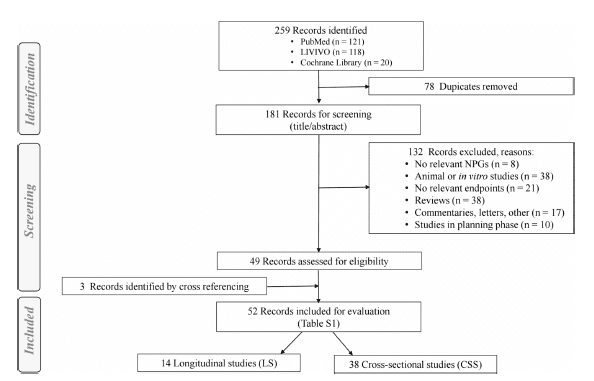
Researchers come to very different conclusions on the question of the risks from dual use of combustible and electronic cigarettes (vapes). Yet, many studies poorly characterized the amount of cigarette use and vaping, which probably affected the outcome in these studies, leading to contradictory results.
This prompted us to conduct a longitudinal clinical study with a very comprehensively characterized cohort of dual users, based on their cigarette and EC consumption.
Partnering with international experts from Italy (CoEHAR, Eclat (Study Lead / Sponsor)), Poland (Pratia MTZ), and the UK (JB Medical), the MAGNIFICAT trial was born.
The MAGNIFICAT Trial
The key questions to be answered are:
Do diverse patterns of dual use offer equivalent harm reduction potential? How do these patterns differ in terms of overall toxicant exposure and relative health risks?
Of course, the pool of research questions is wider, and hopefully the project will shed new light on the topic of the risks implicated with dual usage of combustible cigarettes (CC) and electronic cigarettes (EC).
Biomarkers of exposure - accurate exposure assessment in dual users
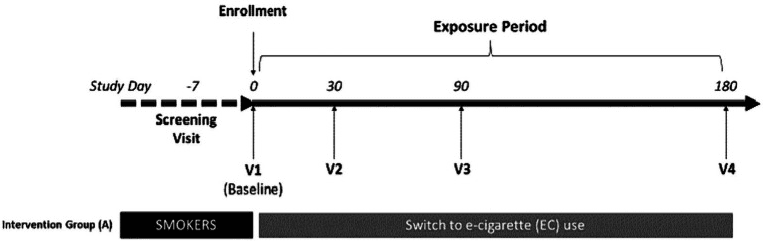
250 daily users of CC will be asked to initiate EC use which will likely affect their CC smoking habits. Their transition will be followed for 6 months. During the study period, they will be asked to document their use behavior via a dedicated mobile app, as an e-diary, as well as walk through a number of clinical tests and provide biological samples within 4 visits to the CRO in Poland. ABF will measure over 20 biomarkers to assess the exposure to harmful toxicants and to elaborate harm indicators for cardiovascular and respiratory diseases, connected with smoking. We will make use of our extensive method portfolio including both targeted and non-targeted methods.
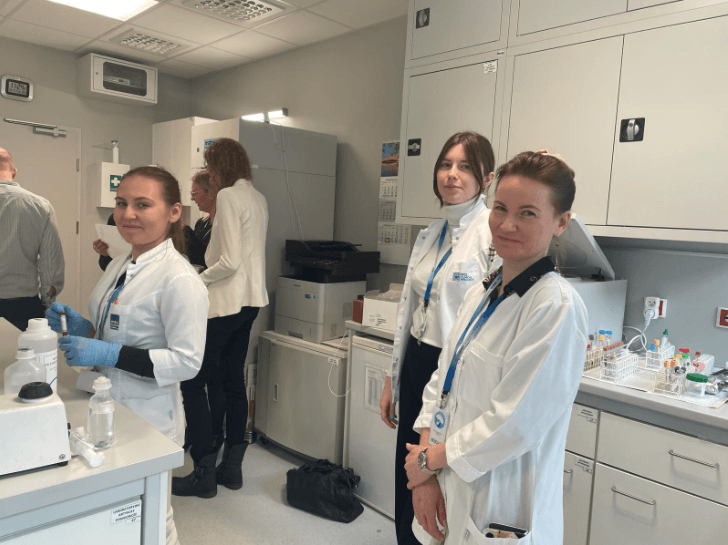
The project was kicked-off early 2024 in two workshops. There the details of the study conduct were discussed and clinical procedures and laboratory protocols were framed. The clinical trial is currently on-going in Poland and planned to be completed within 2025.