The Role of Biomarkers in Exposure and Risk Assessment of Emerging Tobacco & Nicotine Products
In the intricate world of tobacco and nicotine products, understanding exposure levels to harmful substances is paramount. Biomarkers of Exposure (BoE) stand at the forefront of this endeavor, offering precise insights into human exposure and aiding in harm reduction. This article delves into how biomonitoring through appropriate BoEs specifically through the lens of ABF's expertise, plays a crucial role in evaluating and mitigating risks associated with tobacco and nicotine products.
Understanding Biomarker Analysis in the Context of Tobacco Products
Biomonitoring serves as a pivotal tool in assessing human exposure to harmful substances, particularly within the realm of tobacco and nicotine products. By analyzing biological samples such as blood, urine, and saliva, it measures specific biomarkers indicative of exposure levels. This is essential in understanding the impact of tobacco use on human health.
Within tobacco studies, several biomarkers are routinely employed. Cotinine, total nicotine equivalents, CEMA, 3-HPMA, and tobacco-specific nitrosamines (TSNAs) are among the most common. These biomarkers are crucial in quantifying exposure levels and assessing potential health risks, offering a window into the body's interaction with tobacco-related compounds.
A significant advantage of biomarkers lies in their ability to integrate all sources of exposure. They account for direct use, secondhand smoke, and even environmental contact, while also considering individual metabolic variations. This comprehensive approach ensures a more accurate assessment of exposure levels and associated risks.
Biomonitoring as a Tool to Assess Harm Reduction in Tobacco & Nicotine Products
BoEs provide an objective assessment that transcends self-reported data, which can often be unreliable due to recall bias or social desirability effects. This objectivity is critical in accurately gauging exposure levels and their potential health implications.
The role of biomarkers is particularly pronounced when differentiating effects between traditional cigarettes and alternative nicotine delivery systems like e-cigarettes and heated tobacco products. By providing concrete data on exposure levels, biomarkers help in understanding the relative risks associated with these products.
Addressing the challenges of chronic versus acute exposure assessments, regulators advocate for longitudinal studies. These studies reveal cumulative risks associated with long-term use. Long-term biomarkers, such as hemoglobin adducts of acrylonitrile or acrylamide, provide a comprehensive exposure profile.
Challenges and Limitations Applying BoE in Clinical Studies of New Tobacco & Nicotine Products
The landscape of nicotine-containing products is ever-evolving, with newer nicotine delivery systems posing unique challenges. A notable limitation is the lack of product-use specific biomarkers for these systems, complicating comparative risk assessments. While biomarker analysis allows for a comprehensive assessment of relative risk compared to smoking, it falls short in determining the absolute risk posed by these newer products.
Interpreting biomarker levels is a complex task, influenced by factors like diet variation or environmental factors like air pollution affecting urinary excretion rates. This complexity complicates result interpretation across diverse populations, highlighting the need for precision and expertise in biomarker analysis and data evaluation.
How ABF Can Support Exposure Assessment in the Field
Custom Biomarker Panels for Emerging Tobacco Products
ABF excels in developing comprehensive biomarker panels tailored to new tobacco & nicotine products. These panels specifically target potentially harmful exposures for instance posed by novel formulations in modern vaping liquids or targeting other biological matrices than urine, plasma, like exhaled breath for a comprehensive risk assessment. By including nicotine metabolites, toxicant markers, and oxidative stress indicators, ABF provides a deeper risk profiling, essential for industry and regulators to accurately assess the exposure to and harm from new products.
Advanced Analytical Capabilities at ABF
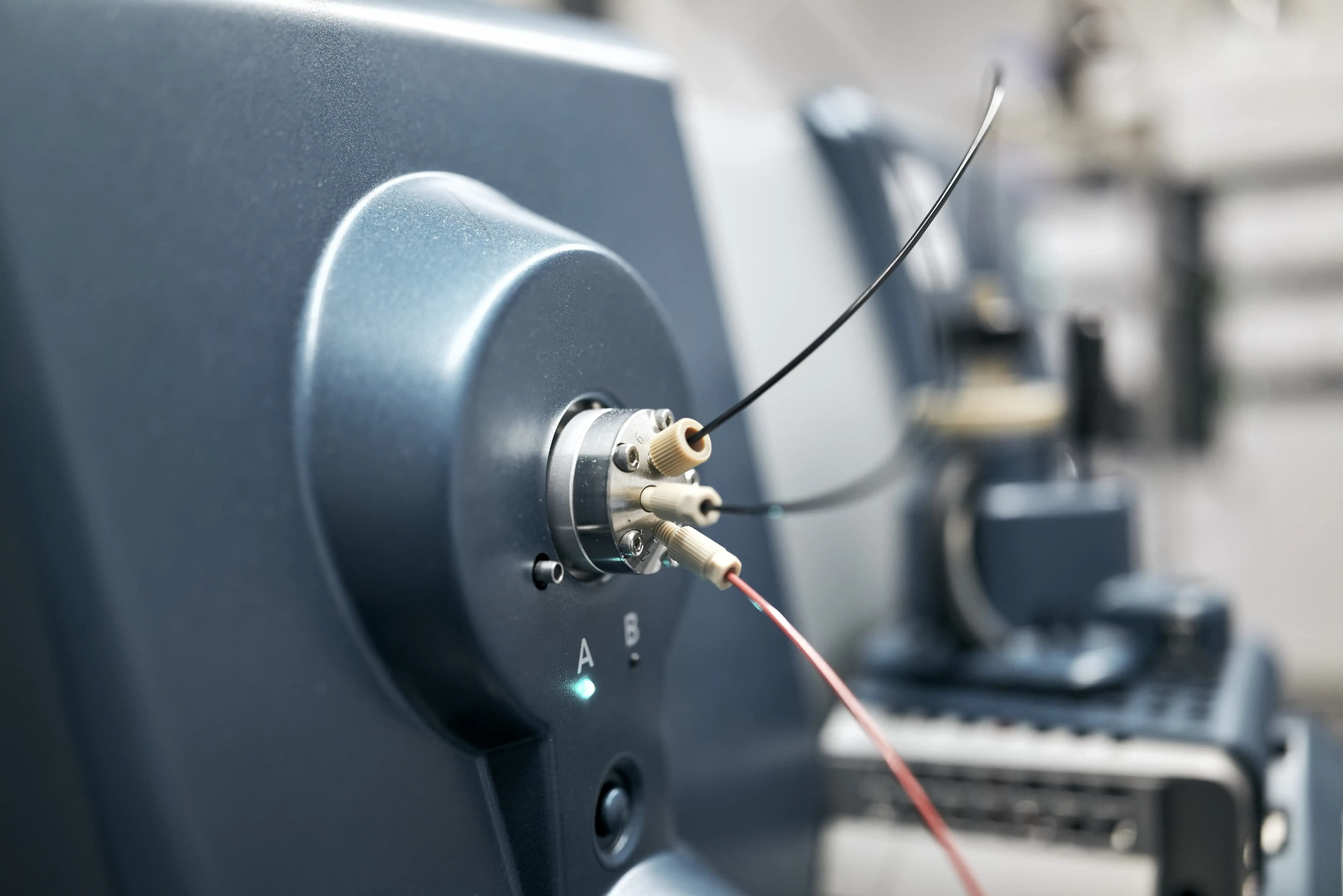
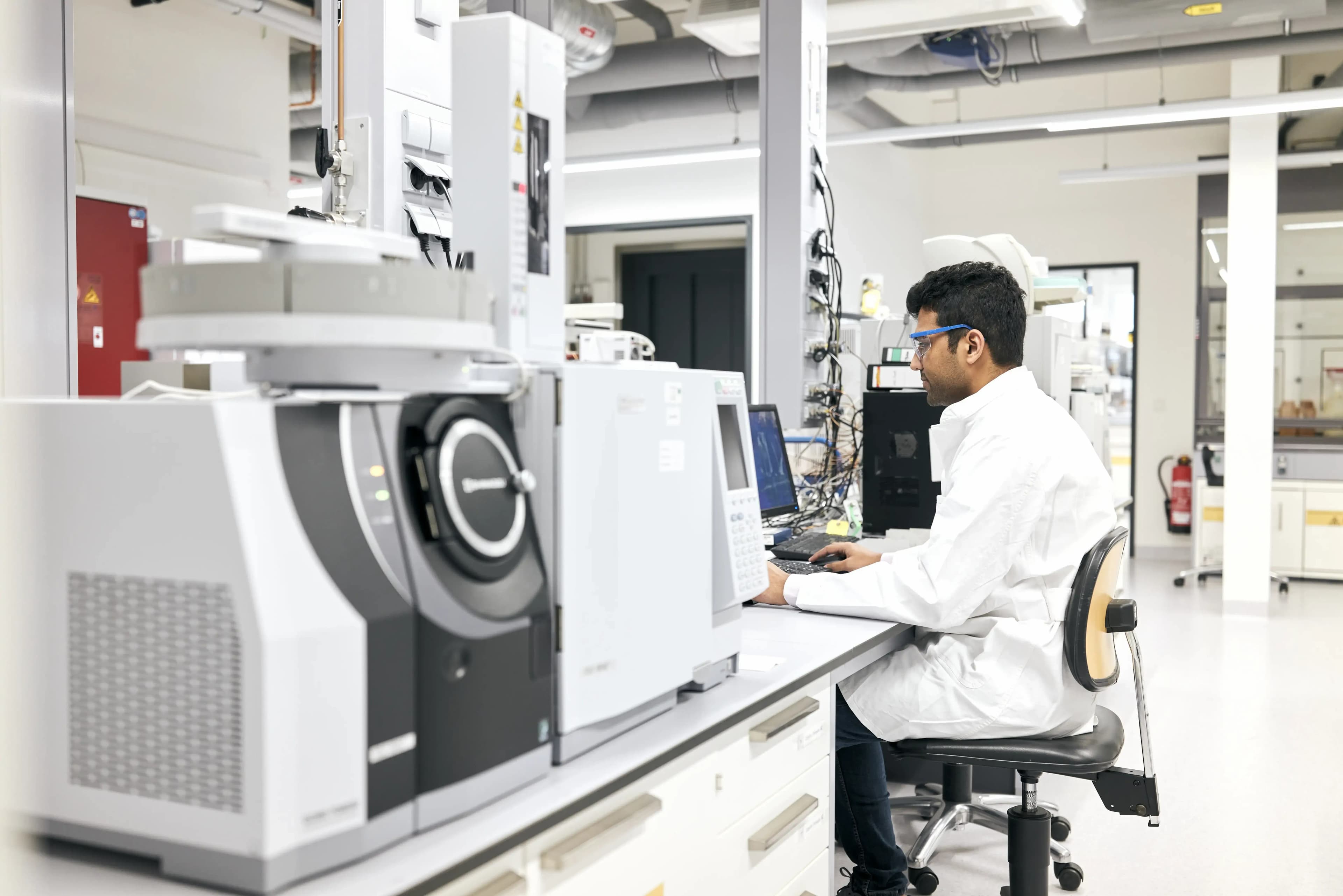
Utilizing state-of-the-art mass spectrometry platforms and automated sample preparation workflows, ABF is equipped to handle large cohort studies efficiently. These capabilities enable us to analyze samples from large trials at a fast pace, all while maintaining compliance with regulatory standards like GCP, GLP and ICH M10. This agility is crucial in a rapidly evolving field.
Support for Regulatory Compliance and Risk Assessment
Navigating complex regulatory approval processes is a daunting task for manufacturers. ABF's expertise in providing robust datasets for comparative risk assessments proves invaluable in this regard. By supporting manufacturers' claims of reduced risk with scientifically sound data and peer-reviewed publications, ABF facilitates smoother regulatory pathways and bolsters credibility.
Looking Ahead: The Future of Biomonitoring in Tobacco Harm Reduction
The future of biomonitoring in tobacco harm reduction is promising, with a critical need for validated biomarkers specific to new-generation tobacco products. Ongoing research and development efforts are essential in this pursuit, paving the way for more precise and reliable assessments.
Innovations in assay development and automation for high-throughput screening are on the horizon, promising to enhance biomonitoring practices further. These advancements hold the potential to significantly reduce morbidity and mortality from smoking-related illnesses, contributing to improved public health outcomes.
By leveraging ABF's expertise, both regulators, research institutions and manufacturers can benefit from accurate and robust exposure assessment to improve our understanding of the products' risk, ensure regulatory compliance, and ultimately inform policymakers for the sake of public health.